Patagonia
Patagonia is a region located at the southern end of South America, shared by Argentina and Chile. The region comprises the southern section of the Andes mountains as well as the deserts, steppes and grasslands east of this southern portion of the Andes. The Colorado River is usually considered its northern boundary in Argentine territory. To the west, it includes the territory of Valdivia through Tierra del Fuego archipelago. Patagonia has two coasts; a western one towards the Pacific Ocean and an eastern one towards the Atlantic Ocean.


patagoniandreams.com/region-de-los-lagos
the-best-tourist-attractions-patagonia-argentina
Tyrol
Tyrol German: Tirol (help·info), Italian: Tirolo) is a federal state (Bundesland) in western Austria. It comprises the Austrian part of the historic Princely County of Tyrol, corresponding with the present-day Euroregion Tyrol–South Tyrol–Trentino. The capital of Tyrol is Innsbruck.


Astearchitecture’s platform perches in the Austrian Tyrol
German Tyrol (German: Deutschtirol; Italian: Tirolo tedesco) is a historical region in the Alps now divided between Austria and Italy. It includes largely ethnic German areas of historical County of Tyrol: the Austrian state of Tyrol (consisting of North Tyrol and East Tyrol) and the province of South Tyrol but not the largely Italian-speaking province of Trentino (formerly Welschtirol).
Italian Tyrol : South Tyrol (German and Ladin: Südtirol, Italian: Sudtirolo), also known by its Italian name Alto Adige, is an autonomous province in northern Italy. It is one of the two autonomous provinces that make up the autonomous region of Trentino-Alto Adige/Südtirol. . Its capital is the city of Bolzano.
South Tyrol, a wonderful region in the Italian alps

Alps
The Alps are one of the great mountain range systems of Europe stretching approximately 1,200 kilometres (750 mi) across eight Alpine countries from Austria and Slovenia in the east, France, Switzerland, Liechtenstein, and south east Germany, to the west. Monaco and Italy to the south.
The term Alpine states or Alpine countries refers to the territory of eight countries associated with the Alpine region, as defined by the Alpine Convention of 1991: Austria, Germany, France, Italy, Liechtenstein, Monaco, Slovenia, and Switzerland. This territory includes 83 NUTS 3-level local administrative regions and about 6,200 municipalities.


Things to do in Swiss Alps
Things to do in French Alps
Things to do in Italian Alps
Things to do in Austrian Alps
My Alps
French & Italian Alps Walking & Hiking Tour
Dolomites Walking & Hiking Tour
slovenia.info-Tourist-destinations-Julian-Alps
ski-resorts/europe/slovenia/julian-alps/
liechtenstein-jufa-malbun-alpin-resort
List_of_ski_resorts_in_the_German_Alps
Ski areas in Austria, Switzerland, Italy, Germany
Swiss Alps Resorts
Three valleys ski resort – Ski resort French Alps
Ski Resorts France : Southern Alps – France Montagnes
Ski Resorts France : Northern Alps – France Montagnes
Find a Ski Resort || Skiing the Alps
ALPS Mountaineering | Camping Gear & Mountaineering
Please see also http://travel-holidays.money-socrates.com/holidays-vacations/winter-vacations/


Lake Constance
Lake Constance (German: Bodensee) is a lake on the Rhine at the northern foot of the Alps, and consists of three bodies of water: the Obersee (“upper lake”), the Untersee (“lower lake”), and a connecting stretch of the Rhine, called the Seerhein.
The lake is situated in Germany, Switzerland and Austria near the Alps. Specifically, its shorelines lie in the German federal states of Bavaria and Baden-Württemberg, the Austrian federal state of Vorarlberg, and the Swiss cantons of Thurgau and St. Gallen. The Rhine flows into it from the south following the Austro-Swiss frontier.


Lake Constance – Switzerland Tourism
Constance – the city to the lake – Stadt Konstanz
Lake Constance Cycle Path Service – Cycle trips, infos, hotels
The-Floating-stage-on-Lake-Constance
Lapland
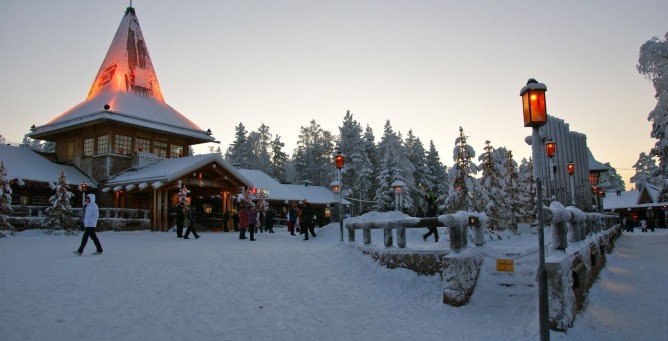
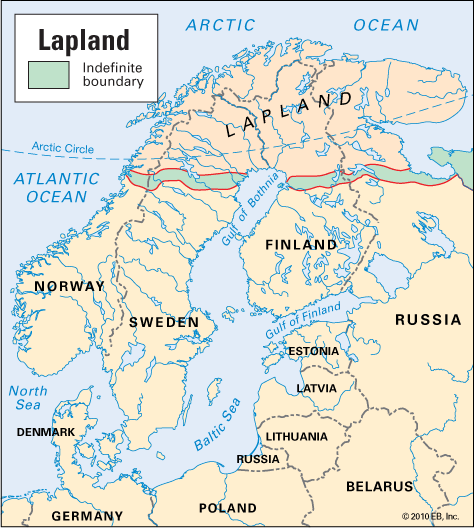
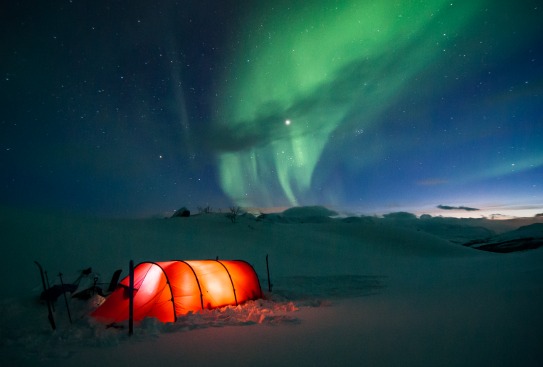
Lapland is a region in northern Fennoscandia, largely within the Arctic Circle. It stretches across Norway, Sweden, Finland and Russia. On the north it is bounded by the Barents Sea, on the west by the Norwegian Sea and on the east by the White Sea.
The name Lapland refers to land inhabited by the Sami people, formerly called Lapp people, which is now considered derogatory, who are the minority indigenous people of the region.
Lapland Holidays
Holidays to Lapland
VisitFinland
Welcome to Swedish Lapland
Lapland – The North of Finland
Igloo Village
unforgettable-travel-adventure-in-santa-claus-village-lapland
Rhine
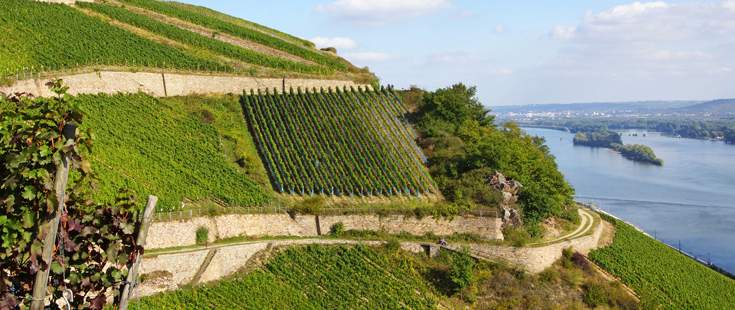
The Rhine is a European river that begins in the Swiss canton of Graubünden in the southeastern Swiss Alps, forms part of the Franco-German border, then flows through Germany and eventually empties into the North Sea in the Netherlands. It is also the border between Switzerland and Liechtenstein and also the border between Germany and France. It runs through Basel, Bonn, Cologne and Duisburg. It also separates the cities of Mainz and Wiesbaden.
The river runs only into one lake on its way, this is Lake Constance that is on the border of Switzerland, Germany and Austria.
It is the twelfth longest river in Europe
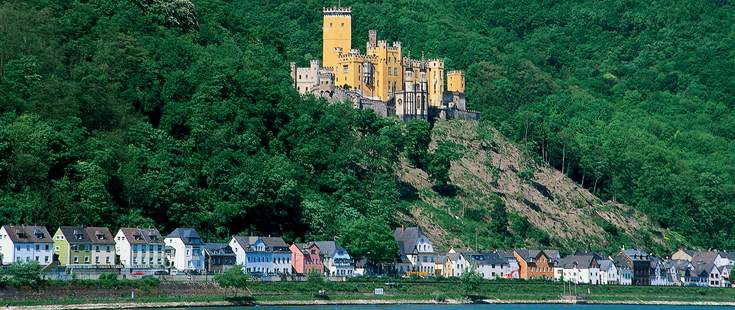
The Rhine and the Danube formed most of the northern inland frontier of the Roman Empire and, since those days, the Rhine has been a vital and navigable waterway carrying trade and goods deep inland. It has also served as a defensive feature and has been the basis for regional and international borders. The many castles and prehistoric fortifications along the Rhine testify to its importance as a waterway.
Facts about the River Rhine
Rhine River History and Maps
Rhine River Cruises
River Rhine – The River Cruise Line
The romantic middle Rhine, a UNESCO world heritage site
Cruise the Rhine to Switzerland


Where Three Countries Meet: World Famous Tripoints
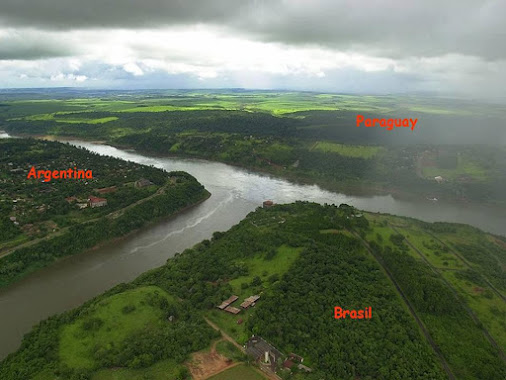
The Tri-Border Between Argentina, Brazil and Paraguay
Amazing Border
Where Four Countries Meet

Pantanal
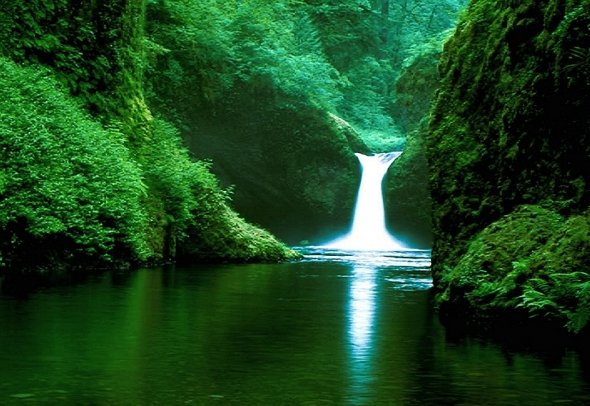
Stretching across Brazil, Bolivia and Paraguay, the Pantanal is the world’s largest wetland. Although not as well known as the Amazon Rainforest to its north, this gigantic seasonal floodplain is also home to a staggering variety of plants and wildlife.

Pantanal
The Pantanal is the world’s largest tropical wetland area, and is located mostly within the Brazilian state of Mato Grosso do Sul, but it extends into Mato Grosso and portions of Bolivia and Paraguay.
Roughly 80% of the Pantanal floodplains are submerged during the rainy seasons, nurturing an astonishing biologically diverse collection of aquatic plants and helping to support a dense array of animal species.
UNESCO – Pantanal Conservation Area
Amazon Basin
The Amazon Basin is the part of South America drained by the Amazon River and its tributaries. The Amazon drainage basin covers an area of about 6,915,000 km2 (2,670,000 sq mi), or roughly 40 percent of the South American continent. It is located in the countries of Bolivia, Brazil, Colombia, Ecuador, Guyana, Peru, Suriname and Venezuela.[2]
Most of the basin is covered by the Amazon rainforest, also known as Amazonia. With a 5,500,000 km2 (2,100,000 sq mi) area of dense tropical forest, this is the largest rainforest in the world.


Amazon rainforest
Amazon Rainforest Facts for Kids – Science for Kids
Amazon: The world largest rain forest
Countries of the Amazon River Basin
Danube
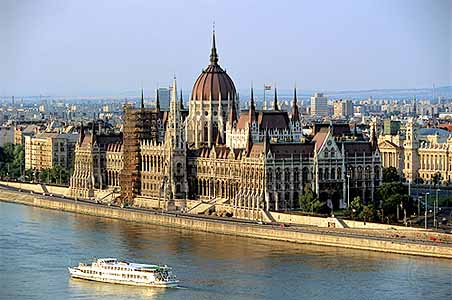
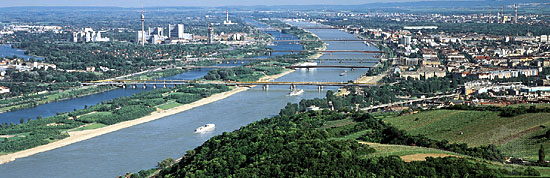
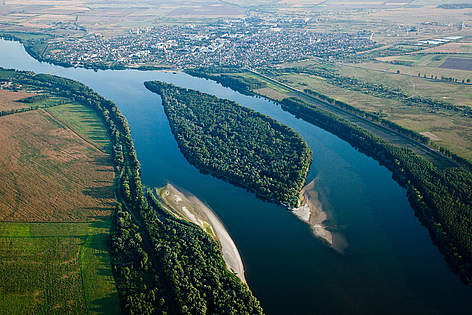
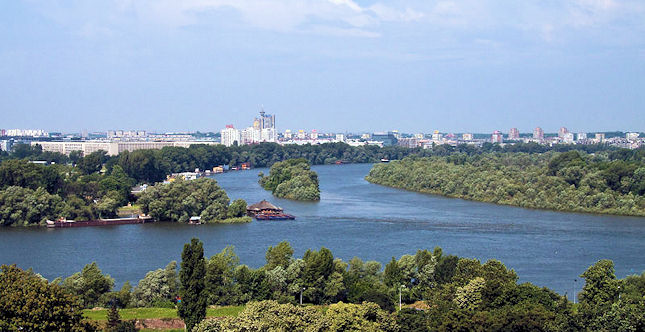
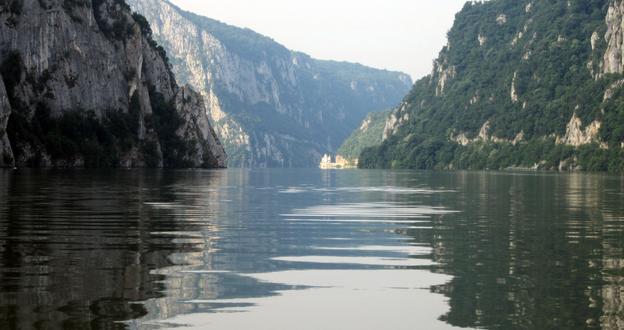
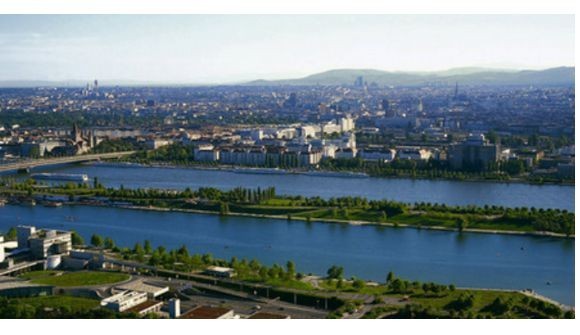
The Danube is a river in Central and Eastern Europe, the European Union‘s longest and the continent‘s second longest (after the Volga).
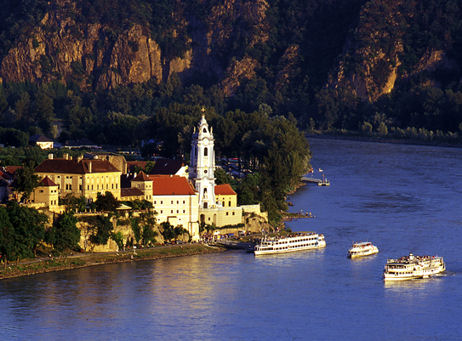
Classified as an international waterway, it originates in the town of Donaueschingen—which is in the Black Forest of Germany—at the confluence of the rivers Brigach and Breg. The Danube then flows southeast for 2,872 km (1,785 mi), passing through four capital cities before emptying into the Black Sea via the Danube Delta in Romania and Ukraine.
Once a long-standing frontier of the Roman Empire, the river passes through or touches the borders of ten countries: Romania (29.0% of basin area), Hungary (11.6%), Serbia (10.2%), Austria (10.0%), Germany (7.0%), Bulgaria (5.9%), Slovakia (5.9%), Croatia (4.4%), Ukraine (3.8%), and Moldova (1.6%). Its drainage basin extends into nine more.
Cities: Ulm, Ingolstadt, Regensburg, Linz, Vienna, Bratislava, Győr, Budapest, Dunaújváros, Vukovar, Ilok, Novi Sad, Sremski Karlovci, Zemun, Pančevo, Belgrade


DRAINAGE BASIN OF THE BLACK SEA
RIVER CRUISES ON THE DANUBE RIVER
germany-cycling-danube-cycle-route
hungary-tourist-guide-danube-bend


Basque Country
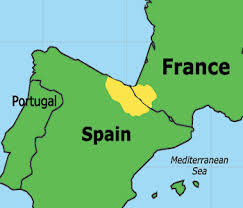
The Basque Country (Basque: Euskal Herria) is the name given to the home of the Basque people in the western Pyrenees that spans the border between France and Spain on the Atlantic coast. It is the oldest documented Basque name for the area they inhabit, dating to the 16th century and thus predates the emergence of Basque nationalism by at least two centuries.
It comprises the Autonomous Communities of the Basque Country and Navarre in Spain and the Northern Basque Country in France.


Attractions-Activities-Basque_Country_Pyrenees_Atlantiques_Aquitaine
French Basque Country
Spanish Basque Country
Lapland


Rhône
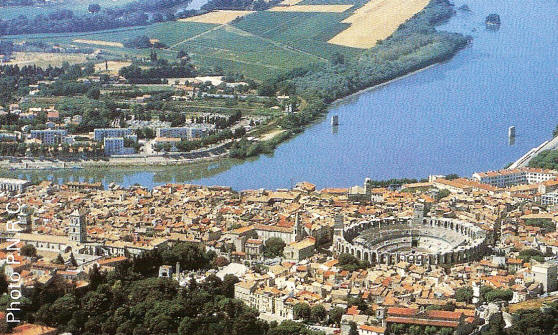
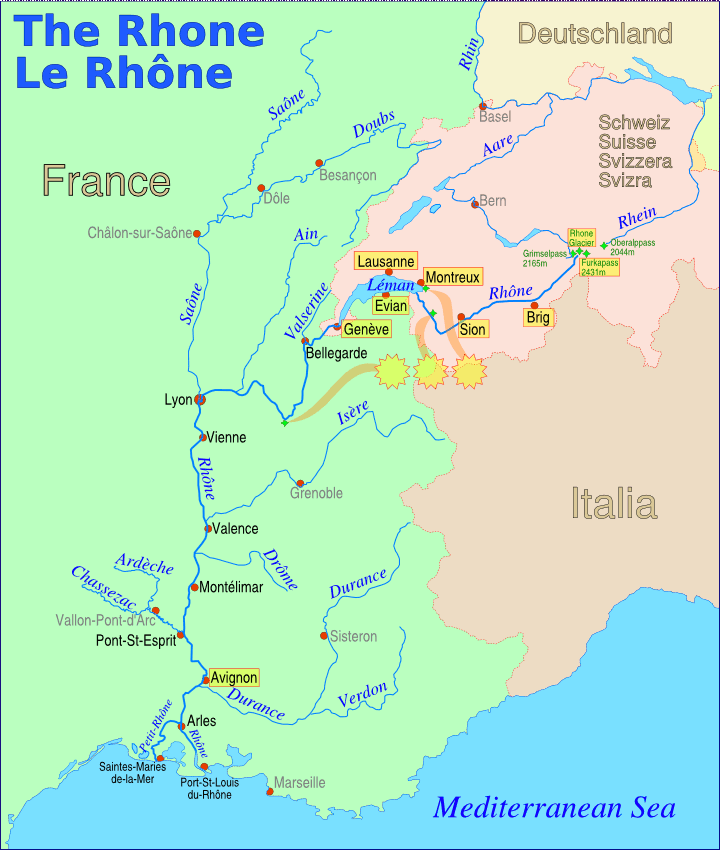
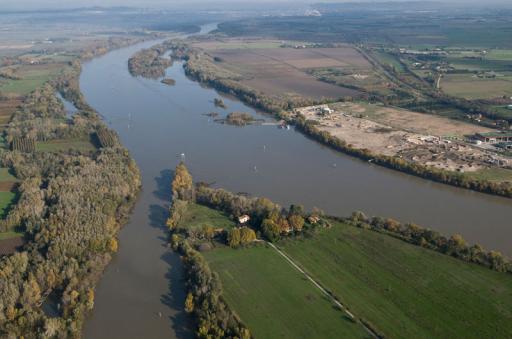
The Rhône is one of the major rivers of Europe, rising in Switzerland and running from there through southeastern France. At Arles, near its mouth on the Mediterranean Sea, the river divides into two branches, known as the Great Rhône (French: Grand Rhône) and the Little Rhône (Petit Rhône). The resulting delta constitutes the Camargue region.
The Rhône valley Guide
Rhône River Cruises
Rhone River Cruises
Sentier du Rhône
Gletsch: Rhone Glacier Apron – Switzerland
Rhone river – TripAdvisor


